Marion Island research team returns home after six-week rescue mission
· Citizen
South Africa’s overwintering scientists are back on home soil after a dramatic emergency evacuation from the remote sub-Antarctic base, triggered by a critical fuel shortage that left the relief vessel stranded for weeks.
Visit zeppelin.cool for more information.
What caused the six-week delay
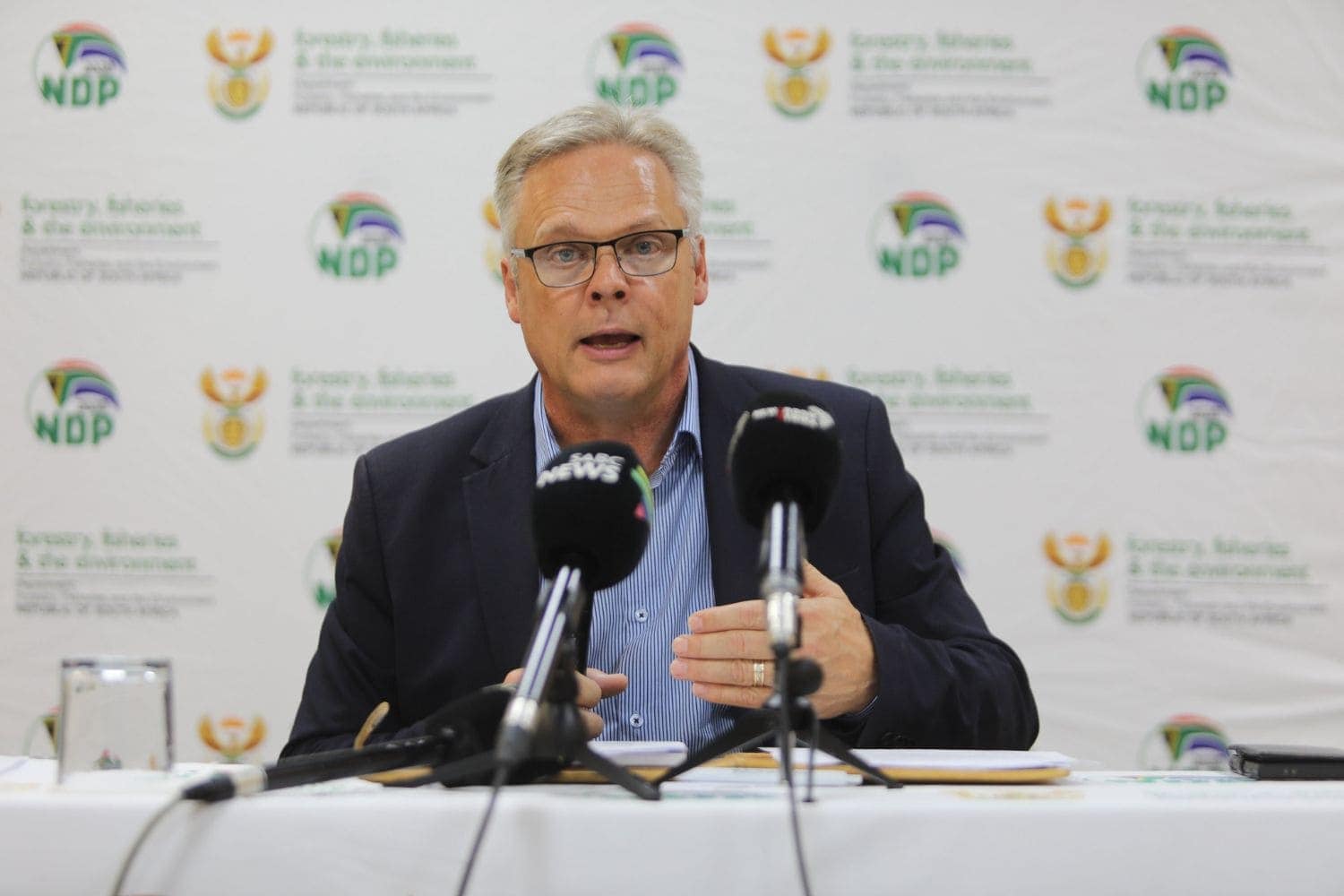
The 2025/26 Marion Island overwintering team was welcomed back to South Africa on Wednesday by Minister of Forestry, Fisheries and the Environment Willie Aucamp, following an emergency evacuation he personally ordered after the SA Agulhas II relief voyage was severely delayed.
The root cause of the crisis was a shortage of specialised fuel components.
Normal diesel cannot function in the extreme cold conditions at Marion Island, as the low temperatures cause it to crystallise.
According to the Department of Forestry, Fisheries and the Environment, the blend of additional fuel products is required to produce polar diesel, and it was precisely these additives that became unavailable, stalling the vessel’s departure.
To make up for lost time, the ship was cleared to travel at maximum speed under what is known as “Ice Mode” in order to reach the island as quickly as possible.
Why the minister ordered the evacuation
Despite the research value of the base, Aucamp made the call to pull the team out and temporarily shut down operations, framing it as a straightforward matter of human welfare.
“While the temporary closure of the base is unfortunate following the emergency evacuation, my team and I felt it was important to prioritise the safety and well-being of our people,” he said. “That is why I ordered the evacuation, and it was worth it.”
At the welcome ceremony, Aucamp and Director-General Nomfundo Tshabalala personally handed out certificates to every member of the overwintering team, acknowledging their patience through an extended and stressful period.
The minister also extended his thanks to the researchers’ families, who endured the uncertainty alongside them.
Plans to reopen the base within weeks
The temporary closure is not expected to last long.
According to Aucamp, the department is actively working to restore full operations at Marion Island, with Aucamp indicating this could happen within two to three weeks, weather permitting.
“Now that we have secured the well-being of our people, we will work to restart the systems at the base, undertake repairs, restock the food and fuel supplies, while also initiating various interventions to mitigate against future risks during all voyages to the three South African remote scientific bases,” Aucamp said.
The reopening is contingent on a range of logistical factors, but the department has signalled it is treating the matter with urgency, given the significance of the research programmes being conducted there.
Fuel security and long-term safeguards
To prevent a repeat of the crisis, the department has already secured an 18-month supply of polar diesel as a contingency buffer.
Beyond that, Aucamp revealed broader ambitions around fuel infrastructure.
“We are also looking into the procurement of a large fuel depot facility where this polar fuel could be stored, not only for our own use, but also for the potential use of other countries that operate polar bases,” he said.
The minister framed these steps as part of a wider effort to reduce vulnerability across all three of South Africa’s remote scientific outposts, with systemic risk mitigation now firmly on the agenda.
South Africa’s commitment to polar research
Aucamp stated that Marion Island serves as a critical node in South Africa’s broader Antarctic and sub-Antarctic scientific programme.
He said the work conducted there feeds into global efforts on climate science, biodiversity conservation, oceanographic research, and environmental monitoring.
Aucamp was emphatic that the evacuation does not signal any retreat from that mission.
“South Africa remains committed to its Antarctic and sub-Antarctic research programme, which contributes significantly to climate science, biodiversity conservation, oceanographic research, and global environmental monitoring,” he said.