Farmers welcome progress on private FMD vaccine rollout
· Citizen
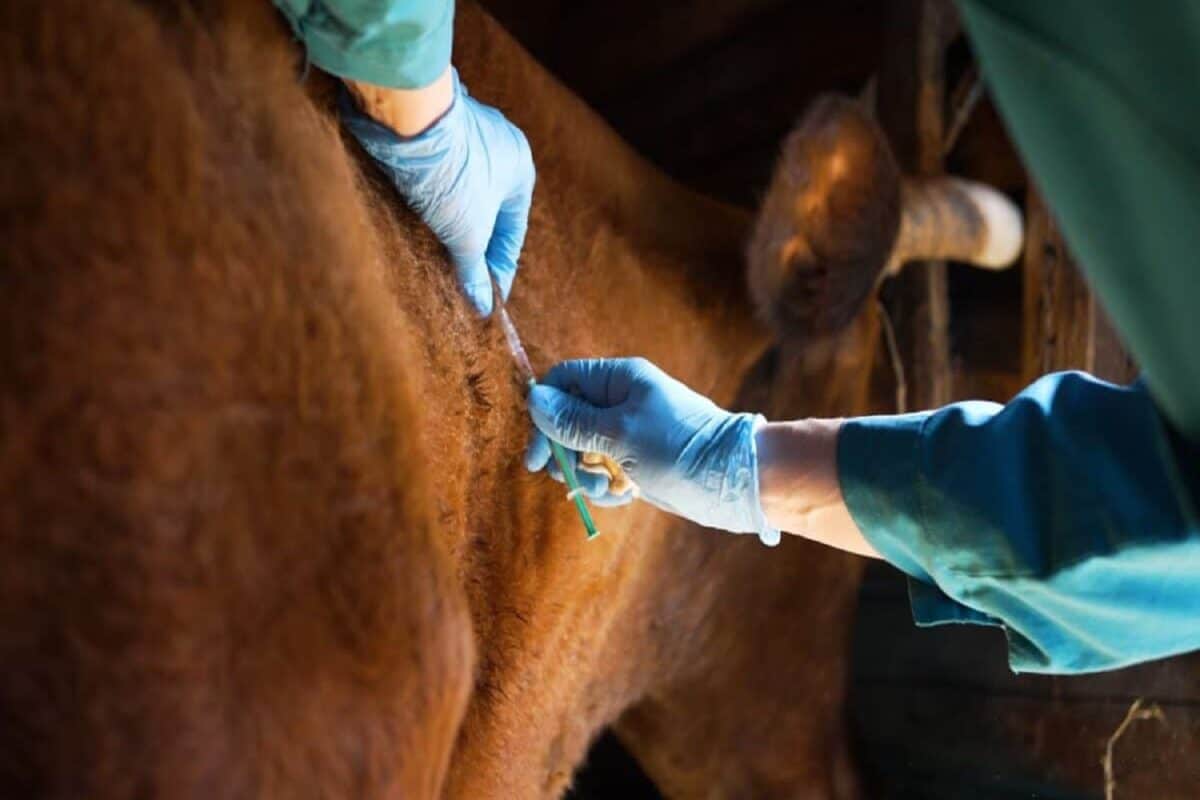
Farmers are happy with the progress made in procuring foot-and-mouth disease (FMD) vaccines from the private sector following months of panic.
Visit librea.one for more information.
FMD Response SA spokesperson Andrew Morphew said real progress has been made because more vaccines will reach farmers through more veterinarians.
Private vaccine deliveries reach veterinarians
Morphew welcomed the first Private sector cleared to import and distribute FMD vaccines and said this shows what can be achieved when government and the private sector work together against the disease.
“The first consignments of FMD vaccines began moving from Dunevax, the South African agent for Türkiye’s Dollvet FMD vaccine, to private veterinary practices this week. It opened an important additional channel for getting vaccines into animals,” he said.
“Getting more vaccines into the field is a major step. The next priority is making sure farmers and veterinarians have the best available information about where FMD is circulating and which strains are being detected.”
Morphew called on the department of agriculture to regularly share the information it has from outbreak testing, particularly which FMD strains were being detected and where they were circulating so that veterinarians know what they were dealing with.
“Government already has important information from outbreak testing. We are asking that it be communicated regularly and in a way that the people fighting FMD on the ground can use,” he said.
Farmers urged to remain vigilant
TLU chair Bennie van Zyl said farmers were grateful to have reached a stage where private vaccine distribution can take place within a regulated environment.
“We must now all ensure that we do not act irresponsibly,” said Van Zyl.
“There are three strains in South Africa and while other strains elsewhere in the world are far more dangerous, we must be vigilant against introducing vaccines that contain these other strains.”
He added the vaccines South Africa is currently receiving are from Argentina and Türkiye.
“We must remember that vaccines do not provide a 100% guarantee that vaccinated animals will develop immunity against the specific disease,” he said.
“If we want to push FMD back to its endemic zone, we will need to vaccinate across South Africa, administering a follow-up dose within six weeks and another after six months.”
Industry warns eradication will take time
But Van Zyl said eradicating FMD will take time.
Earlier this month, Agriculture Minister Willie Aucamp appointed Dr Theo de Jager, executive director of the Southern African Agri Initiative, and Dr Danie Odendaal, director of the Veterinarian Network, to the Industry Coordination Council (ICC) during the FMD symposium.
“The expanded ICC, together with the ministerial task team on FMD, will be our bomb squad and, together, we will win the fight against FMD,” said Aucamp.
He said to date, a total of 17 million vaccine doses had been imported into South Africa to support the national strategy.
Government expands FMD coordination efforts
Aucamp also announced the expansion of the terms of reference of the ICC to have a bigger emphasis on the roll-out and practical implementation of the rollout plan, with specific reference to farmers that are now allowed to vaccinate their own animals.
“Dr De Jager and Dr Odendaal bring immense practical knowledge, leadership and technical insight that will strengthen an already hardworking and effective council leadership. This will add immense value as we work hand-in-hand across the entire agricultural sector,” he said.
“We are committed to collaborating with every role player on the ground and we know by working together we will be able to achieve our goal of an FMD-free country.”