UPI MDR: Keeping Customer Confidence at the Centre
· Free Press Journal
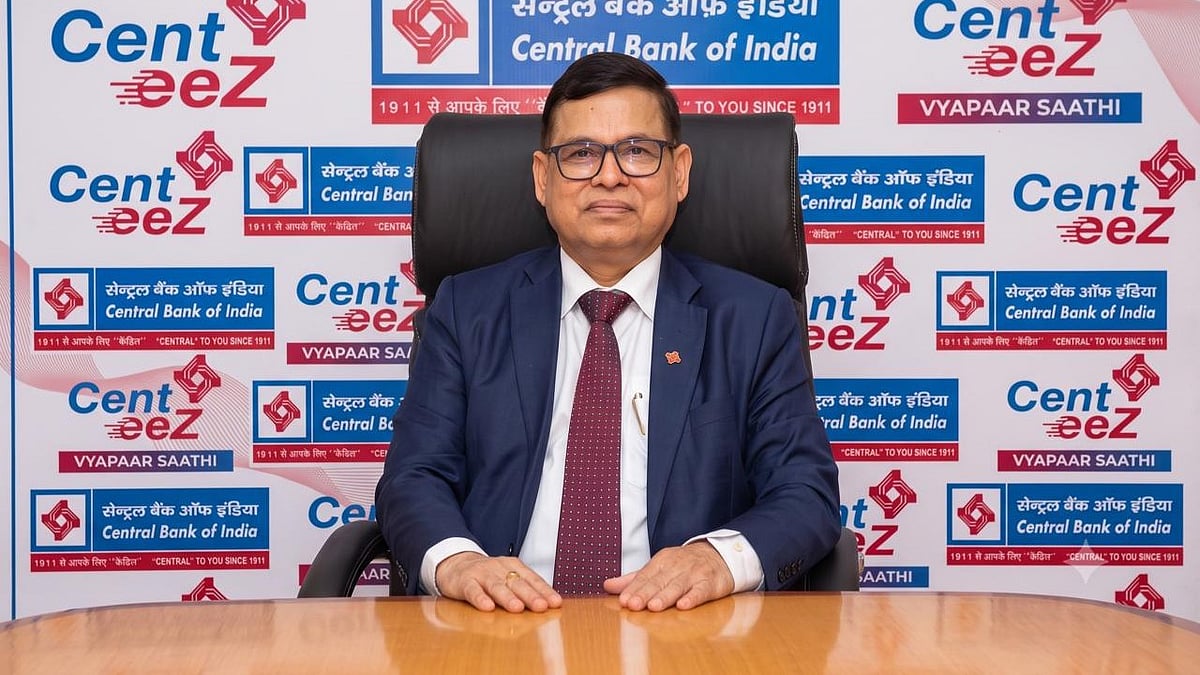
By Kalyan Kumar MD and CEO, Central Bank of India
Visit freshyourfeel.org for more information.
UPI has changed the way India makes payments. From neighbourhood shops and local markets to large establishments, scanning a QR code and making an instant payment has become part of our daily routine. Its success has come from its simplicity, convenience, and wide acceptance.
The recent discussion around Merchant Discount Rate, or MDR, on certain UPI transactions has raised questions among customers. Some may wonder whether they will now have to pay an additional charge for using UPI.
Key Point to Understand: MDR is strictly NOT a charge on the customer for making a UPI payment. Person-to-person (P2P) transactions remain outside the MDR framework. Person-to-merchant (P2M) transactions up to ₹2,000 and other exempted categories also remain outside its applicability. Under the framework, an estimated 96% of transactions are expected NOT to attract MDR.
For customers, therefore, the message is clear: continue using UPI for your regular payments with the same confidence and convenience.
MDR essentially relates to the merchant side of the payment system. Where applicable, it is associated with the acceptance and processing of specified merchant transactions. Its applicability depends on the merchant category, transaction value, and exemptions available under the framework. This distinction is vital- a customer making a payment and a merchant accepting the payment are two distinct sides of the transaction. MDR should not be misunderstood as a general fee for using UPI.
Banks and NPCI are using system-driven calculations, merchant classification, and transaction-level controls to ensure the appropriate application of MDR and protect retail customers. Our bank is actively on track to successfully incorporate transaction identification technology once MDR goes live.
At the same time, every digital transaction is supported by a robust banking and technology infrastructure. Banks continuously invest in cybersecurity, fraud monitoring, transaction capacity, and customer support to ensure that payments remain safe and reliable.
For Public Sector Banks, UPI has also helped take digital banking deeper into semi-urban and rural India. At Central Bank of India, our Cent eeZ mobile banking app is part of this journey. Our endeavour is to provide customers with a simple and secure platform for their day-to-day banking and digital payment requirements.
This digital journey is backed by a strong physical and assisted network across the country.Central Bank of India has a pan-India presence with 22,231 customer touchpoints, comprising 4,622 branches plus 1 International Banking Unit, 3,820 ATMs, 13,768 Business Correspondent (BC) outlets and 20 BC Maxx centres. About 66% of our branches are located in rural and semi-urban areas, reflecting the bank’s continued commitment to financial inclusion and to taking banking services closer to customers.
As UPI continues to grow, clear communication will remain paramount. Customers should know what applies to them, while merchants should understand the provisions applicable to their category. UPI has earned the confidence of millions of Indians by making payments easier. As bankers, our responsibility is to preserve that confidence.
● For Customers: MDR is not a charge for using UPI. Continue using UPI normally and confidently.
● For Merchants: The focus should be on understanding the applicable category provisions and exemptions.
Keeping this distinction clear will help UPI remain simple for customers and dependable for India's growing digital economy.