Supreme Court Says Voters Can File Criminal Complaints Against Candidates Over False Election Affidavits
· Free Press Journal
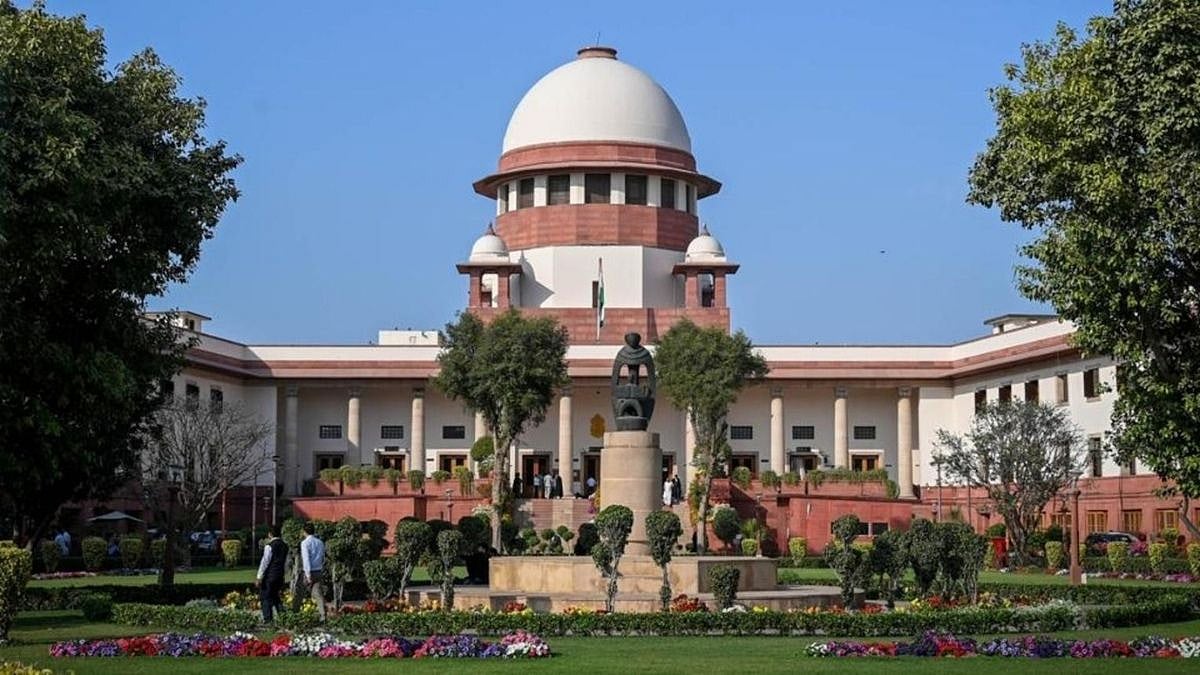
The Supreme Court has ruled that private individuals can file criminal complaints against elected candidates for giving false information or hiding details in their election affidavits. The court said such complaints can be filed under Section 125A of the Representation of the People Act, 1951, without requiring a complaint from a public servant.
Visit asg-reflektory.pl for more information.
A bench of Justices Dipankar Datta and Sheel Nagu clarified that the restrictions under Section 195(1) of the Code of Criminal Procedure (CrPC), 1973, do not apply to offences under Section 125A. The ruling makes it clear that individuals can approach the courts over alleged false declarations made by election candidates, Live Law reports.
Why The Law Allows Private Complaints
The Supreme Court explained that Section 195(1) of the CrPC requires complaints from public servants for certain offences. However, Section 125A of the Representation of the People Act, which deals with candidates knowingly providing false information or concealing details in nomination papers and affidavits, is not among those offences.
The bench pointed out that Section 125A was introduced in 2002, while Section 195 of the CrPC was amended in 2006. Despite having the opportunity, Parliament did not include Section 125A among the offences requiring a complaint from a public servant. The court treated this omission as deliberate.
Supreme Court-Appointed Panel Invites Complaints Over July Jantar Mantar Protest Violence, Launches Portal For Victims And Police Personnel“If indeed it were the intention of the legislature that cognizance of any offence relating to furnishing of false information by a candidate in an affidavit with intent of being elected in an election could only be taken if the complainant were a public servant, the same could have been provided by an amendment of Section 195, CrPC,” the court observed.
Justice Datta, who authored the judgment, also noted that no law specifically states that only a public servant can lodge a complaint under Section 125A. The court referred to the provision stating that its punishment applies “notwithstanding anything contained in any other law for the time being in force”.
How A Karnataka MLA’s Affidavit Led To The Case
The judgment came in an appeal filed by Rajkumar Madki against a Karnataka High Court order quashing his criminal complaint against Shailendra Beldale, who was elected to the Karnataka Legislative Assembly from the Bidar constituency in 2023.
Madki alleged that Beldale had provided an incorrect residential address in the affidavit submitted with his nomination papers. He approached the Additional Chief Metropolitan Magistrate in Bengaluru under Section 200 of the CrPC, alleging a violation of Section 125A of the Representation of the People Act.
The Karnataka High Court had quashed the complaint, ruling that Section 195(1) of the CrPC prevented a private individual from initiating such proceedings. According to the High Court, only the Election Commission of India or the concerned public servant could file the complaint.
Supreme Court Rejects Argument Against Private Complaints
During the hearing, Beldale’s counsel argued that allowing individuals to file complaints could lead to frivolous criminal cases against elected representatives. Such proceedings, the counsel submitted, could undermine the purpose of Section 125A.
The counsel also cited an Election Commission press note issued in June 2020. The note stated that the Commission would examine complaints involving serious omissions in candidates’ affidavits and refer appropriate cases to investigating authorities on a case-by-case basis.
The Supreme Court, however, rejected the argument that the Election Commission’s guidelines could restrict the right to file complaints under the law. It said administrative guidelines and press notes cannot determine how courts interpret statutory provisions.
“Interpretation of statutes is primarily the task of the courts,” the bench observed.
Supreme Court Slams States Over Lack Of Menstrual Hygiene Facilities In Schools, Warns Of Strict ActionWhy The Court Still Quashed The Complaint
Despite recognising the right of private individuals to file complaints, the Supreme Court did not restore the criminal proceedings against Beldale. It found that documents placed on record had prima facie rebutted the allegation concerning his residential address.
The bench observed that the possibility of securing a conviction appeared remote and that continuing the proceedings would unnecessarily consume judicial time. It therefore upheld the Karnataka High Court’s decision to quash the complaint, but on different legal grounds.
The court also clarified that magistrates have the power to deal with frivolous complaints and proceedings filed to harass elected candidates. Such cases must be assessed according to their individual facts and circumstances.
Also Watch:
A Right To Question, But Not To Harass
The ruling draws an important distinction between the right to question candidates over their election affidavits and the misuse of criminal proceedings. While private individuals do not need to depend solely on public officials to raise such allegations, courts can prevent complaints that lack sufficient grounds from proceeding.
The judgment reinforces the legal route available to individuals who suspect false declarations in election affidavits, while recognising the need to protect elected representatives from unnecessary litigation.
The Supreme Court disposed of Madki’s appeal and directed both parties to bear their own costs