GOLDSTEIN: Mark Carney budget an exercise in premature self-congratulation
· Toronto Sun
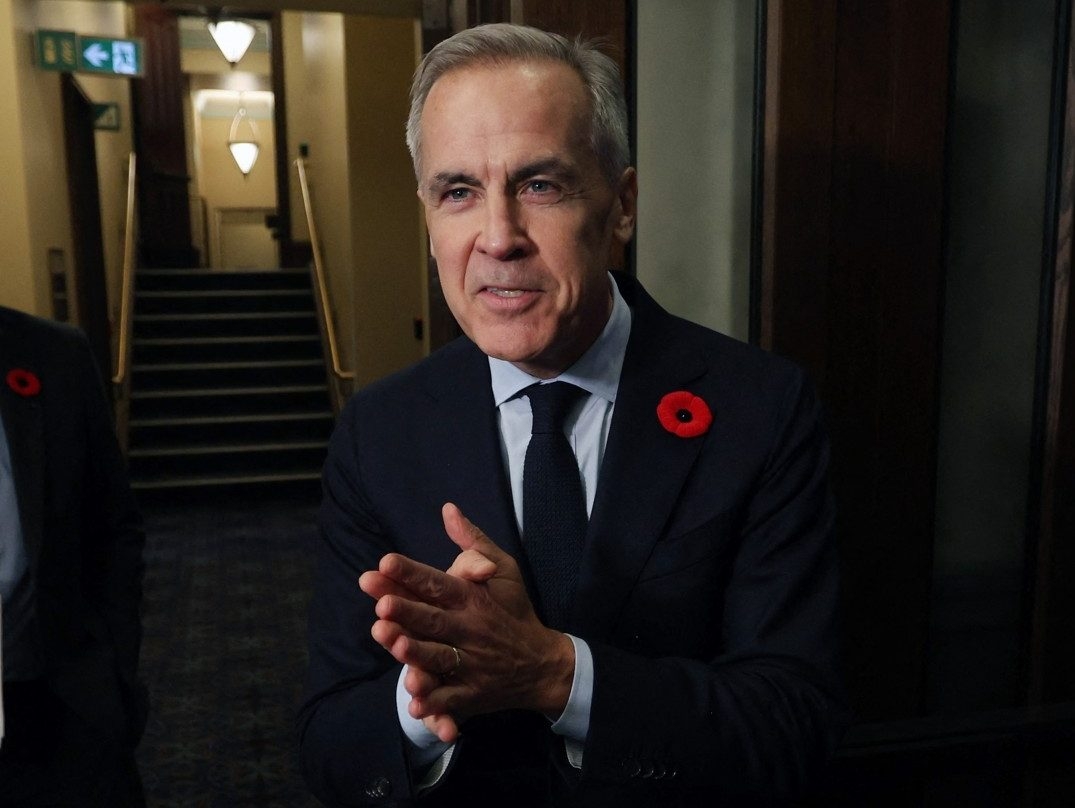
How full of itself does a government have to be to call its annual budget “Masters of our destiny”? Seriously.
Not only is it hilariously close to the famous “Master of My Domain” Seinfeld episode titled “The Contest” – Google it if you don’t get the reference – it’s a telling example of premature self-congratulation by Prime Minister Mark Carney and Company.
Visit afrikasportnews.co.za for more information.
It’s also divorced from reality.
We’re “Masters of our destiny”? Not at the moment.
For example, the Canadian economy showed zero growth in July and August and preliminary data suggest GDP declined by 0.1% in September.
Canada’s unemployment rate at 6.7% in October, up from 6.5% in September, is the highest it has been in six months.
The economy lost 4,700 jobs in October, 68,000 in September and 42,000 in August, wiping out earlier gains and resulting in a net loss of 46,000 jobs since the start of the year.
Annual inflation is 3.1%, considerably above the Bank of Canada’s target of 2%.
Central bank just raised key interest rate
Because of that, the central bank just raised its key interest rate for the first time in more than three years – up 25 basis points to 2.5% – increasing the cost of all forms of consumer loans, including mortgages, an added burden for home buyers.
Parliamentary budget officer Annette Ryan reported last month that paying interest on the federal public debt is now the fastest growing expense of the federal government.
According to last week’s budget, taxpayers will pay $60.2 billion in interest on Canada’s current public debt of $1.37 trillion this year, more than the $57.4 billion the feds will transfer to the provinces and territories for health care.
By 2030-31, paying interest on debt is predicted to soar to $85.5 billion on $1.6 trillion of public debt, a 42% increase over five years, meaning taxpayers will be paying almost as much as the federal government will transfer to the provinces and territories for health care and social programs combined.
As for Carney’s hollow boast he will balance the federal operating deficit next year – a year ahead of schedule – that’s a parlour trick because what he’s actually done is to redefine capital spending funded by government debt as investments.
The reality is that no matter what you call it, it’s still public debt that has to be paid back with interest.
No plans to balance the budget
On that issue, the Carney government projects deficits over the next five years ranging from $52.9 billion to $62.5 billion, with no plans to balance the budget.
Out in the real world, Canadians certainly aren’t feeling that they are “masters of their destiny.”
A poll by Abacus Data released just before the budget found “growing concern about external economic threats, continued pressure on household finances, and limited confidence that Thursday’s federal budget will deliver meaningful personal relief,” according to CEO David Coletto.
“Asked to identify the three most important issues facing Canada today, the rising cost of living leads by a considerable margin. Almost two-thirds of Canadians (63%) select the rising cost of living, well ahead of every other issue tested.”
Despite that, and the fact government revenues are currently soaring because of high oil prices – good for federal coffers bad for the public – last week’s budget contained no immediate relief for middle-class Canadians in the form of broad-based income tax cuts.
Instead, it targeted some money to lower-income Canadians with most going to programs we’re told will increase business investment and productivity, thus strengthening the economy over time.
Canadians blame Trump for our economic problems
It’s true many of the financial challenges the Carney government faces today – including low productivity – were the result of decisions made by previous federal governments, including the one headed by Justin Trudeau in which Carney served as an economic advisor.
In addition, the Carney government continues to enjoy widespread support among the public, according to numerous polls, with Canadians blaming many of our economic problems on U.S. President Donald Trump and his tariff and trade war.
Even so, Carney himself said during the Liberal leadership race last year that the Canadian economy was weak before Trump became president due to overspending by the Trudeau government and allowing immigration levels to get out of control.
Now he claims his government has both issues under control and it’s time to start increasing immigration levels again.
Basically, Carney’s argument is that we can successfully spend ourselves rich by loading on more deficits and debt to boost economic growth over the long term.
Let’s hope he’s right because if he’s wrong taxpayers will pay the price.