Scammers on your phone: SA loses billions to fraudsters
· Citizen
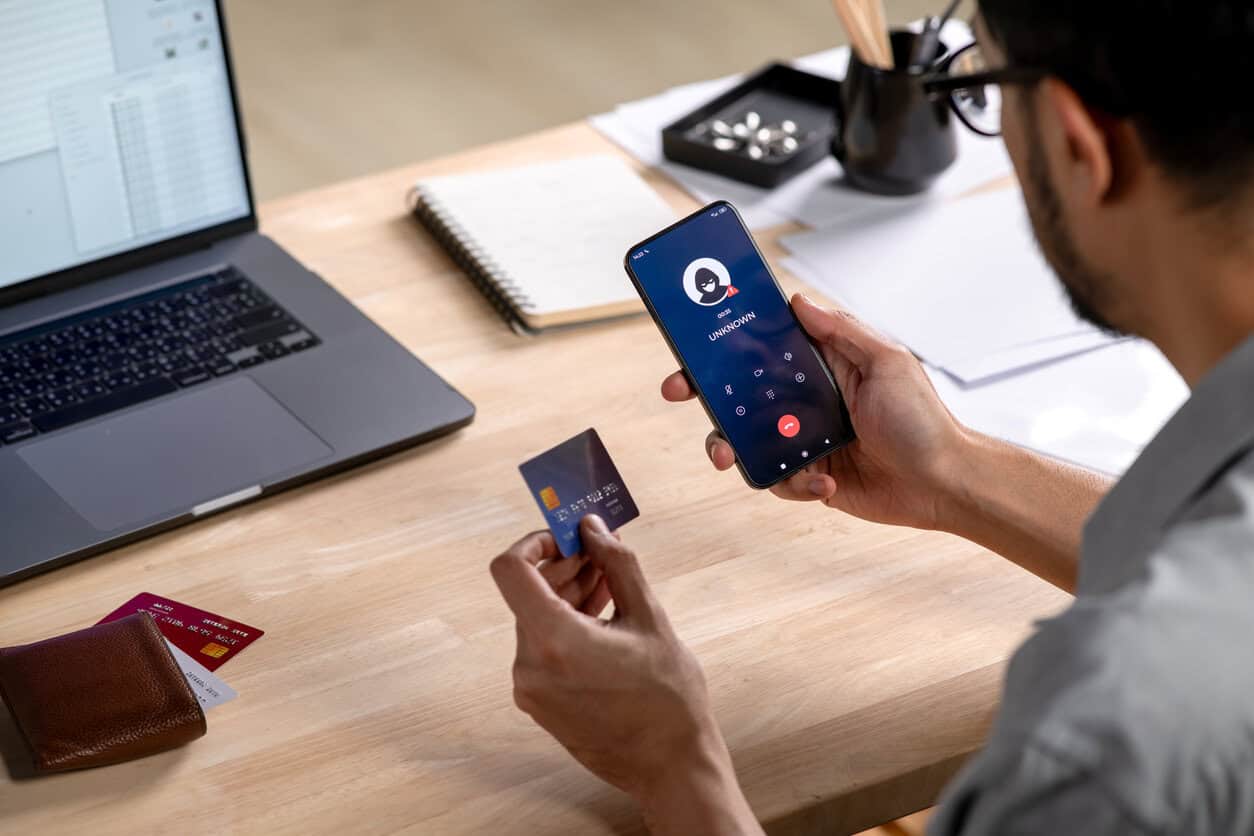
South Africans are losing billions to financial criminals and one of the most effective weapons in the fraudster’s arsenal is the ability to manipulate ordinary human behaviour.
Imagine receiving a WhatsApp message from your daughter’s number. She urgently needs money transferred to a bank account.
Visit umafrika.club for more information.
Scammers on your phone target your trust
The message sounds convincing. The language is familiar. But the person sending it isn’t your daughter, because her account has been hijacked.
This is social engineering, a form of fraud in which criminals manipulate people’s trust, emotions and behaviour to obtain money or access to financial accounts. And it’s growing fast.
Banking industry figures from the South African Banking Risk Information Centre (Sabric) show that South Africans reported losing around R2.4 billion to digital banking crime in 2025, up from R1.9 billion the year before.
With more than 110 000 incidents, the average victim lost close to R22 000.
Many of these losses happened through banking apps. That doesn’t mean the apps were hacked. Very often, the criminal talked the customer into approving a payment or handing over the details needed to make one.
Majority of people think they can spot a scam
What’s most worrying is how confident we are that it won’t happen to us. Research cited in Comric’s 2026 telecommunications sector report found that the majority of people believe they can spot a scam, yet 70% of those who were targeted still engaged with the scammer.
Knowing that scams exist is not the same as recognising one when it lands in your inbox.
The same research shows that WhatsApp is now the leading channel for these scams locally.
Criminals have moved into the same spaces we use to chat with family, friends and colleagues, which is why their messages feel so believable.
Social engineering works because criminals understand how people respond to authority, affection, fear and opportunity.
Social engineering
A fraudster might pose as a bank employee warning you about suspicious transactions. Another might create a fake social media profile and spend weeks building a friendship before asking for money.
Some offer attractive investments. Others promise jobs but ask for an upfront payment for “training” or “registration”.
The approach varies, but the method is the same every time: build credibility, trigger an emotional response and push the victim to act quickly.
Criminals also mine social media to make their approach more convincing. A birthday you posted publicly, a family photo or a detail about where you work can help someone pretending to know you seem genuine.
Social engineering is powerful because it exploits something entirely normal: our willingness to trust other people. The best protection is to recognise when someone is trying to use that trust against you.
Stop. Think. Verify.
How to protect yourself: Stop. Think. Verify.
- Stop before responding to an urgent request. Think about whether the person contacting you is genuine. Verify their identity through an independent channel, rather than relying on a number they have supplied;
- Never share your banking PIN, passwords or one-time PINs with anyone;
- If someone asking for money claims to be a relative, call them back on the number you already know;
- Agree on a family code word that only your family knows and use it to confirm emergencies;
- Switch on two-step verification. It adds a PIN that makes it much harder for criminals to hijack accounts;
- If a caller claims to represent your bank, end the conversation and contact the bank directly via the official number on your card or website;
- Don’t install apps at a stranger’s request. Criminals ask victims to download screen-sharing apps that give them remote control of the phone;
- Keep your birthday, ID details, address, travel plans and children’s school information off public profiles. When a new online acquaintance avoids meeting in person or speaking on a video call, consider what information you may be sharing;
- Check before you invest. Anyone selling financial products in South Africa must be registered with the Financial Sector Conduct Authority (FSCA). Look them up on the FSCA website. If the returns sound too good to be true, they are;
- Never pay to get a job. Legitimate employers don’t charge for training or registration; and
- Talk to your family, especially older parents and teenagers. Scammers target the people most likely to trust them.
If you think you’ve been scammed, act immediately. Contact your bank or service provider through its official channels. Report suspicious activity through the Yima scam prevention platform at www.yima.org.za operated by the South African Fraud Prevention Service: 083-123-7226.
The Citizen collaborates with Comric- According to the South African Banking Risk Information Centre, reported digital banking crime claims reached R2.4 billion in 2025, highlighting the scale of the threat facing consumers.
- Fraud can also compromise your identity, expose private information and leave you struggling to restore your financial security and peace of mind. One of the biggest misconceptions about modern fraud is that criminals need sophisticated technical knowledge to break into your accounts. Often, they simply need to persuade you to open the door.
- They exploit trust, create a sense of urgency and impersonate people or organisations you recognise. They may already know your name, where you work or something about your family, making an otherwise suspicious approach appear convincing. Information shared innocently on social media can become a useful tool in the hands of a fraudster.
- The good news is that understanding these tactics can significantly improve your ability to recognise suspicious approaches and protect yourself.
- That is the purpose of a consumer awareness series being presented by the Communications Risk Information Centre (Comric) in collaboration with The Citizen.
- Through this series, we will examine the different forms of mobile-related fraud that South Africans encounter and explain how to recognise the warning signs before money or information is lost.