Welcome to Software Beirut
· The Atlantic
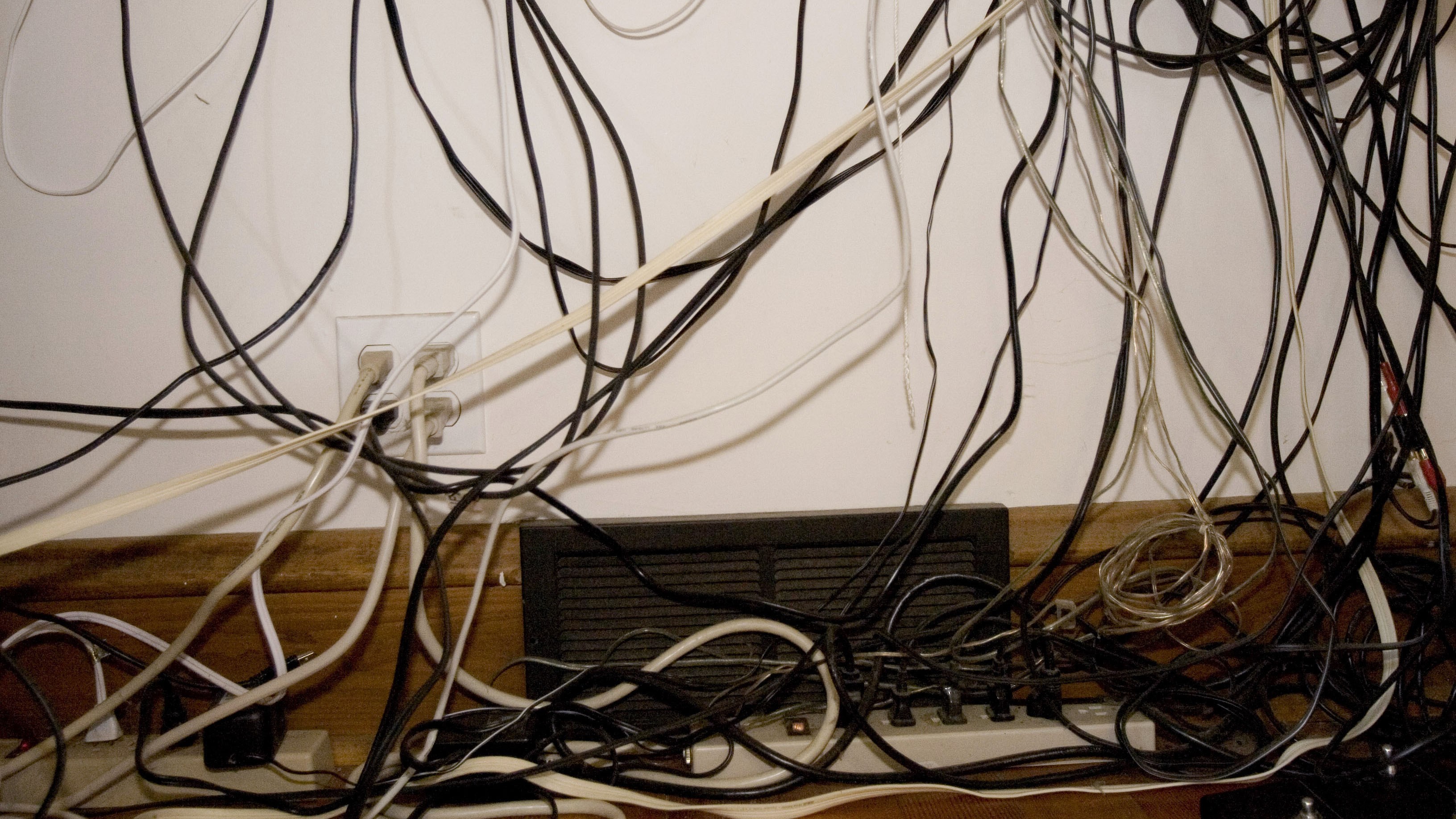
Last week, when it briefly looked like the world was collapsing while I sat on the tarmac, I wrote about the arrival of Software Beirut—“where nothing is broken all the time, but anything might break at any time, and the main skill you need is not being surprised.” I’m no Tom Friedman, but many people seemed to enjoy the phrase and encouraged me to keep using it even as outages at the FAA, Chase, and Microsoft proved to be isolated incidents unrelated to bad guys using advanced AI.
Visit betsport.cv for more information.
Well, hold my mustache wax! Because I’m doubling down.
The fact that all of the software chaos appears to have had boring causes doesn’t negate my point—it improves it. Software Beirut is not an event but an environment, shaped by three forces that arrived at roughly the same time: AI is exposing vulnerabilities in critical software at unprecedented speed; the rush to fix the bugs creates its own hair ball of risks and complications; and the federal government is gutting the Cybersecurity and Infrastructure Security Agency (CISA), the department meant to coordinate the response, just as coordination matters most.
The alarm first sounded in April, when Anthropic announced the existence of an AI model called Mythos that was the equivalent of X-ray glasses for software. Mythos could examine millions of lines of code and, in minutes, discover security flaws that had been invisible to human engineers for decades. Naturally, Mythos could also figure out how to exploit these flaws. Anthropic kept Mythos back from wide release, briefed the feds—including CISA—and gave some of the world’s biggest banks, tech, and security companies early access so they could scan their own systems and get a head start on securing them.
I’ve spoken with several IT executives who saw Mythos in that period. Each used their own signature compound profanity to express the mix of awe, professional jealousy, and shock at what Mythos could do. Their first thoughts were about the hacker networks and vandals who might use these new tools to wreak havoc on their institutions. They may still—especially as similar capabilities spread into freely available AI models.
[Josh Tyrangiel: The next major grounding will be worse]
But almost immediately, cyber defenders began a sprint to fix things that, until that day, they hadn’t known were broken. The scale of the repair effort is staggering. By July, 21 of the biggest software makers, including Microsoft, Google, and Apple, were disclosing about five times as many serious security vulnerabilities as their monthly record before Mythos, according to Epoch AI, a nonprofit research group. Microsoft released fixes for nearly 1,100 security vulnerabilities earlier this month, almost as many as it patched all of last year. Google has fixed more security bugs in two recent releases of its Chrome browser than in the previous 23 releases combined.
Many of these flaws were discovered with the help of AI. Cool! But the repairs themselves can create new dangers. For decades, cybersecurity had a simple routine: Find a vulnerability, develop a patch, publish it, and give everyone time to install it. AI has made that last bit perilous. One cybersecurity executive told me his team can take a publicly released software fix and—thanks to the latest models—reverse-engineer it into a working exploit in under an hour. That turns every patch into a confession. It tells the world exactly where the weakness is.
Meanwhile, installing the fix, testing that the patch doesn’t break something else, and getting thousands of employees to reboot their laptops, all while communicating to customers and keeping regular service running—that’s human stuff. And the humans can’t keep up.
Software was never magic. It’s infrastructure, and thinking about it like roads will help you understand the past week. Imagine if every road in the country were owned by a different person, each frantically sending out crews to fix potholes and set up detours on the same morning—and none of them talking to one another. Google can fix Chrome. Microsoft can fix Outlook. An airline can fix its booking system. But every one of those roads connects to roads that someone else owns. Wouldn’t it be great if somebody were in charge of coordinating all the work?
CISA is the closest thing we have to that. And here we arrive at some bitter calendar irony. Four days before the Mythos announcement, the Trump administration released its 2027 budget, which proposed cutting $700 million in programs from the cybersecurity agency, along with approximately 800 jobs. The agency has already lost about a third of its workforce since early 2025, and DOGE canceled contracts for teams that simulated attacks on government networks.
Anyone who’s spent time in Lebanon might call this Beirut cosplay. A week of software outages and a government that shoots itself in the foot are a nice start, but the authentic experience requires one more ingredient: inequality.
In Beirut, the prosperous have generators to insulate them from grid failures. In America, the same thing is happening with cyber defense. The Alliance for Critical Infrastructure, formed in February and expanded this fall, now includes nearly 50 American companies deemed vital across six sectors (Amazon, FedEx, Verizon, Citi). The goal is to share knowledge and coordinate their cyber responses. Anthropic’s Project Glasswing is a similar club. This is a good thing. We want these companies working together, and with the billions they already spend on security, they’re probably as prepared as anyone can be.
[Ian Bogost: What on Earth is going on?]
But a private safety net is not a public one. School districts, local hospitals, city governments, and small businesses can’t possibly match the resources of these giants. They’re also the easiest targets. A vandal looking to create chaos doesn’t need to risk taking on a bank when a county hospital runs on decades-old software and has one overworked IT person.
This doesn’t mean the giants can afford to ignore the vulnerability of the little guys. A bank may be well protected, but its employees still depend on the hospital, the water-treatment plant, the airport. Unlike a generator running free from the power grid, cyber defense doesn’t let you unplug from everyone else.
That’s the thing about Software Beirut. You can buy yourself some protection from the chaos, but you can’t buy your way out of living in it.