26/11 Mumbai Terror Attacks: Survivor Devika Rotawan Recalls CST Horror, Testimony Against Ajmal Kasab And 18-Year Fight For Justice
· Free Press Journal
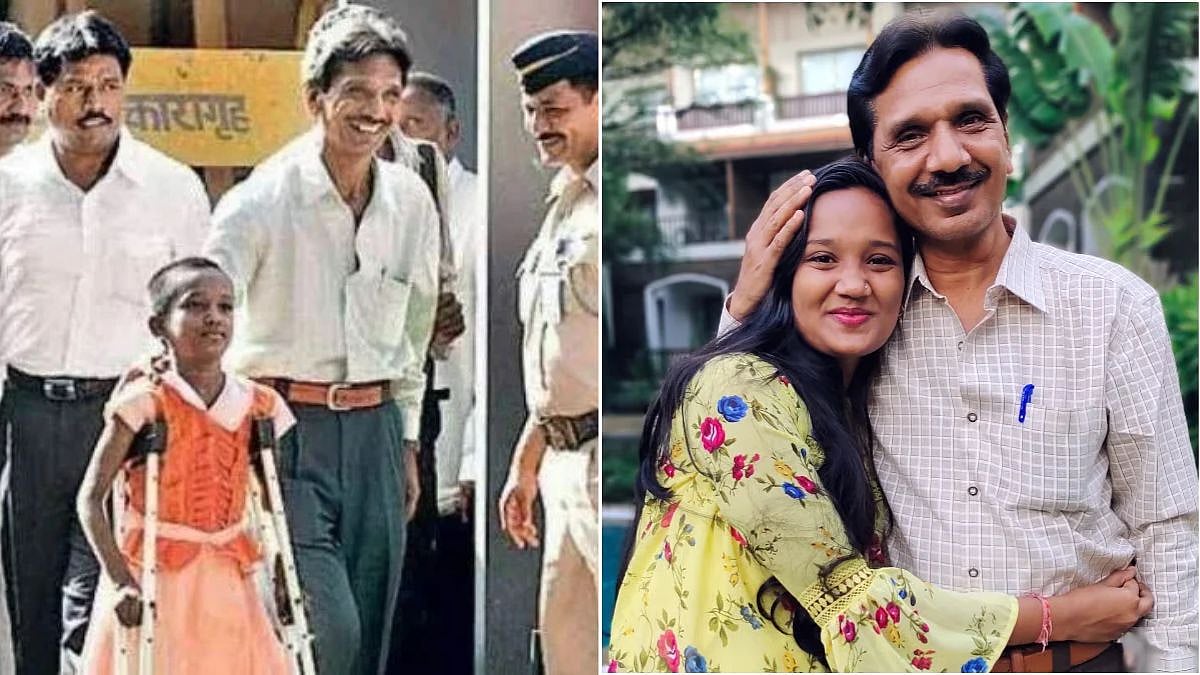
Pune: The sound of gunfire, people running for their lives and the sight of a man holding a gun and firing indiscriminately are memories that have refused to fade for Devika Rotawan. She was barely nine years and 11 months old when the 26/11 Mumbai terror attacks changed her life forever. Eighteen years later, as Mumbai prepares to remember one of its darkest nights on November 26, the survivor continues to carry the memories of the attack, the scars of her injuries and the courage that eventually made her one of the youngest eyewitnesses in the case against terrorist Ajmal Kasab.
26/11 Survivor Devika Rotawan26/11 Survivor Devika Rotawan Recalls Night, Says Father's Support Gave Her Courage To Testify Against Kasab
Read more: https://t.co/VVQTtrSbCk #MumbaiNews #2611attacks #DevikaRotawan pic.twitter.com/LrIqM0vPGPVisit somethingsdifferent.biz for more information.
— Free Press Journal (@fpjindia) November 22, 2026
On November 26, 2008, Devika was at Chhatrapati Shivaji Maharaj Terminus (CSMT), formerly known as CST, with her father and brother. The family was on its way to Pune. They were waiting near platforms 12 and 13 when a sudden explosion shattered the atmosphere. What followed was a night of indiscriminate firing, panic and death.
While speaking to The Free Press Journal, she recalled, “I was very scared that night. I was only nine years and eleven months old then. What is terrorism at that age? We don’t understand terrorism, firing bullets.”
A journey that turned into a nightmare
The family initially struggled to understand what was happening. Devika recalled hearing a loud explosion, followed by people dropping their belongings and running in different directions. Gunshots soon filled the station.
Deeply moved by the courage of Devika Rotawan, the youngest survivor of the 26/11 Mumbai terror attacks, who was just 9 years old at the time.
— Devendra Fadnavis (@Dev_Fadnavis) November 22, 2026
Hearing Devika recount the events of that night was truly emotional. The courage and strength she has shown at such a young age deserve… https://t.co/akl4L7GqD5
She told FPJ, “Suddenly a bomb exploded. The sound of the bomb blast was very loud. I couldn’t understand what had happened. Then we saw people dropping their bags and running. Then suddenly, gunfire erupted.”
As she attempted to escape, a bullet struck her right leg. Amid the chaos, she also saw one of the attackers, later identified as Ajmal Kasab, firing at people. The image remained deeply embedded in her memory.
She recalled, “As I tried to run away from my father, a bullet grazed my leg. Then I saw a man with a huge gun, firing indiscriminately.”
The injured child was taken for medical treatment. The bullet was removed from her leg on November 27, a day after the attack. Her treatment involved an extended hospital stay and multiple surgeries. The physical recovery was only one part of a much longer battle, as the experience continued to affect her emotionally.
#WATCH | Mumbai, MH: Devika Rotawan, the youngest survivor and key eyewitness of the 26/11 Mumbai terror attacks felicitated during 'Global Peace Honours 2026.' pic.twitter.com/t7sKarBv6v
— ANI (@ANI) November 21, 2026
From a nine-year-old survivor to a key eyewitness
Devika’s identification of Kasab subsequently became significant in the investigation and trial. She had seen the attacker at CST and was among the witnesses who helped establish his identity.
After being discharged from hospital, she returned with her family to their village in Rajasthan. Some time later, the Mumbai Crime Branch contacted the family and asked her to appear in court to testify.
The prospect of facing the man she had seen during the attack was daunting for a child. However, Devika decided to stand by what she had witnessed. Her father, who had also seen the terrorists, supported her decision.
At the Global Peace Honours 2026, actor Shah Rukh Khan asked her how she had gathered the courage to testify against Kasab at such a young age.
In 2008 a 9 year old girl was shot in the leg by terrorists at a Mumbai railway station. A year later she walked into court and identified Ajmal Kasab. Then she spent the next sixteen years fighting for a roof over her head.
— Kamran (@CitizenKamran) November 21, 2026
Her name is Devika Rotawan.
On the night of 26… pic.twitter.com/cR4Bme68Q3
She told the FPJ, “Same as I replied to Shah Rukh sir, I’ll say, that when I was discharged from the hospital, I went to my Rajasthan village. After some time, we got a call from the Mumbai Crime Branch. They said, will you come to the court and testify? We said we are ready. My father had seen both the terrorists. And I had seen Kasab.”
She credited her father for helping her overcome her fear and face the courtroom proceedings.
She said, “I got that courage from my father. My father always used to say, there will be trouble somewhere on the path of truth, but you have to face it bravely. The choice is always yours, whether you want to die directly in front of someone or fight and die. So, we have to decide.”
The battle did not end with Kasab’s conviction
While the testimony became an important part of the prosecution’s case, the years following the attacks brought their own difficulties for Devika and her family. She spoke about financial difficulties, the loss of her family’s business, social stigma and the prolonged struggle to receive rehabilitation assistance.
26/11 Mumbai Terror Attacks: Max, Tiger, Sultan And Ceaser – The Four-Legged Heroes Who Helped Save The CityShe said that despite being a key eyewitness, her family had to fight for basic rehabilitation benefits. She also revealed that it took 16 years for her to receive a house.
She said, “I haven’t gotten everything. If I’ve gotten anything, I’ve fought for it… It took me sixteen years to get this house.”
She recalled that her father’s business had shut down and that the family faced several difficulties. She also spoke about the insensitive treatment she received from people who called her by the name of the terrorist she had helped identify.
The physical consequences have continued as well. Devika said that she still experiences pain in her injured leg, particularly during cold weather, when it sometimes becomes swollen.
Every terror attack brings the memories back
For Devika, the 26/11 attack is not something confined to an anniversary or a courtroom record. Subsequent terror incidents have repeatedly brought back the memories of that night.
'I Was A Pakistani Actor Shooting In India': Ali Zafar Recalls How 26/11 Mumbai Attacks Interrupted Tere Bin Laden Shoot“Whenever I hear about that incident… I get drawn back to that… That bomb blast starts echoing in my ears,” she said, explaining how reports of attacks such as Pahalgam and other incidents affect her.
She has also maintained that the execution of Kasab did not amount to complete justice. For her, accountability must extend beyond the individual terrorist who was captured and prosecuted.
A call for stronger action and lasting support for survivors
Eighteen years after the Mumbai attacks, the recurrence of terror incidents across the country raises difficult questions about national security, intelligence preparedness and the ability to prevent attacks before innocent lives are lost. The passage of time has not made the memories of 26/11 any less painful for survivors like Devika. The fight against terrorism, therefore, cannot be limited to commemorating victims and remembering the sacrifices of security personnel every November 26.
There is also a larger question of what happens to survivors once the immediate attention surrounding an attack fades. Rehabilitation, financial assistance, access to quality medical treatment, psychological counselling and educational support should not become prolonged battles for families already dealing with unimaginable trauma. Government assistance must reach survivors without repeated applications, bureaucratic delays or years of waiting. Equally important is a firm national policy against terror networks, strict action against those involved in planning and financing attacks, stronger intelligence coordination and exemplary punishment through due process for those responsible.
Hyderabad On High Alert After Email Threatens 26/11-Like Bomb AttacksFor Devika, whose childhood was taken away by the violence at CSMT, the larger challenge remains ensuring that another child does not have to experience what she did. The question is not merely how the country remembers 26/11, but what concrete measures it takes to ensure that such an attack is never repeated.
Devika was felicitated with the Global Peace Honours 2026 at the Global Peace Honours 2026 at the Gateway of India on November 21, in recognition of her courage and resilience. Maharashtra Chief Minister Devendra Fadnavis, Union Minister Piyush Goyal, Deputy Chief Ministers Eknath Shinde and Sunetra Ajit Pawar, and several other dignitaries attended the programme.
Eighteen years after the night that took away her childhood innocence, Devika’s story is no longer just about surviving a bullet injury or identifying a terrorist. It is also about the long struggle that survivors face after the cameras leave, the court proceedings end and public attention moves elsewhere.
Speaking to the FPJ bout wanting to enter social work and create awareness among people about standing up against injustice, she said, “My motive in future is also that I should join social work soon… make people aware that courage is your biggest power.”
For Devika, the battle against fear has continued long after the gunfire stopped at CST. As the country marks 18 years of the 26/11 attacks, her testimony remains a reminder that the consequences of terrorism do not end with the night of an attack.
“For those who survive, the struggle can last a lifetime,” Devika said.